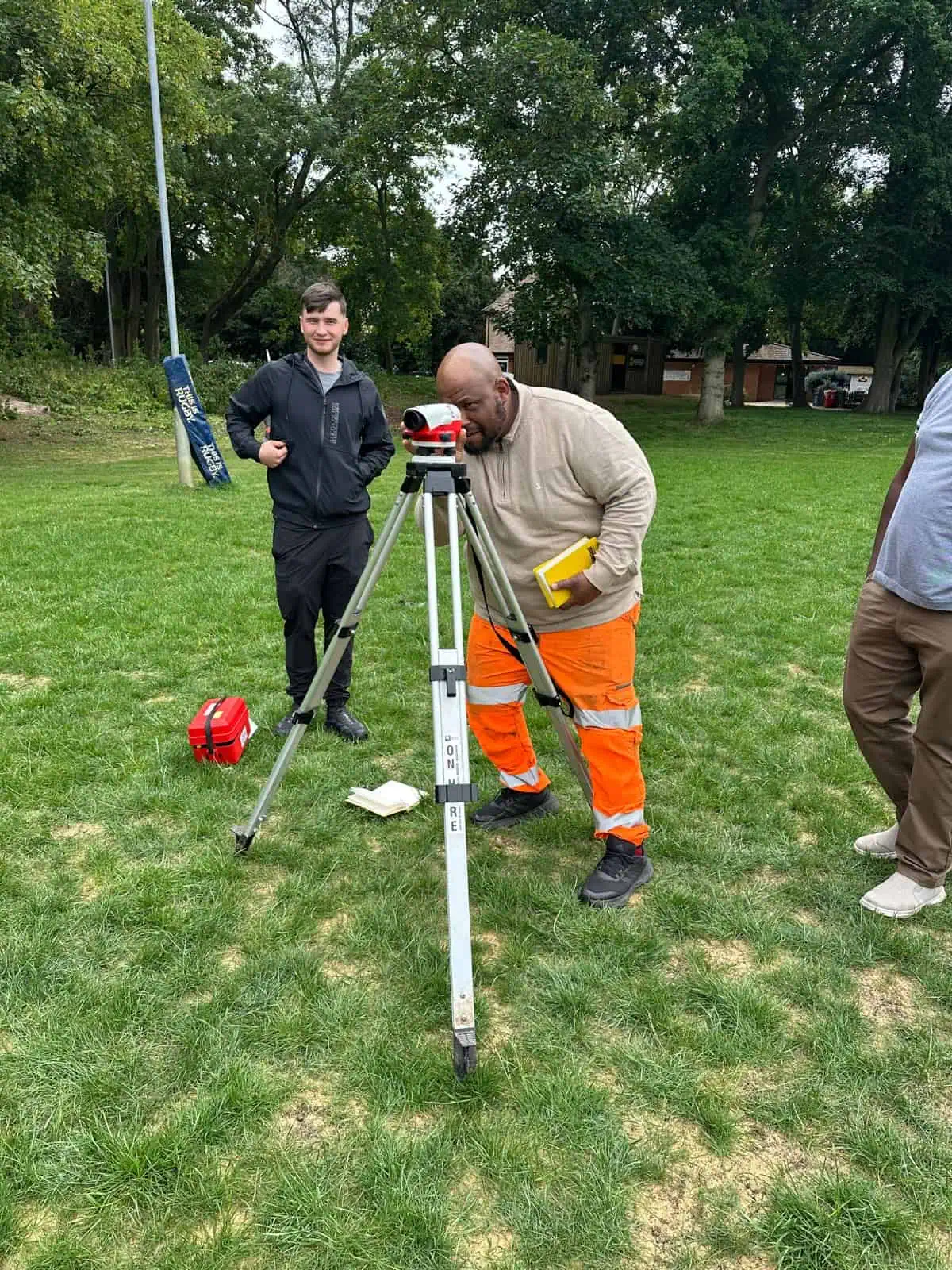
Levelling & Tape Measurement Training
Practical levelling and tape measurement training for construction setting out, site engineering and surveying roles.
Levelling and tape measurement are core practical surveying skills used on construction sites before more advanced total station or robotic workflows are introduced. They help trainees understand height, distance, control points, reduced levels and the basic checks that underpin accurate setting out.
This page explains the practical skill area. It is not a standalone Ofqual qualification. It is one of the site-based competencies covered as part of Site Skills Knowhow's 5-Day Site Surveying and Setting Out course, supporting beginners, career changers, groundworkers, junior engineers and construction staff who need stronger measurement confidence on site.
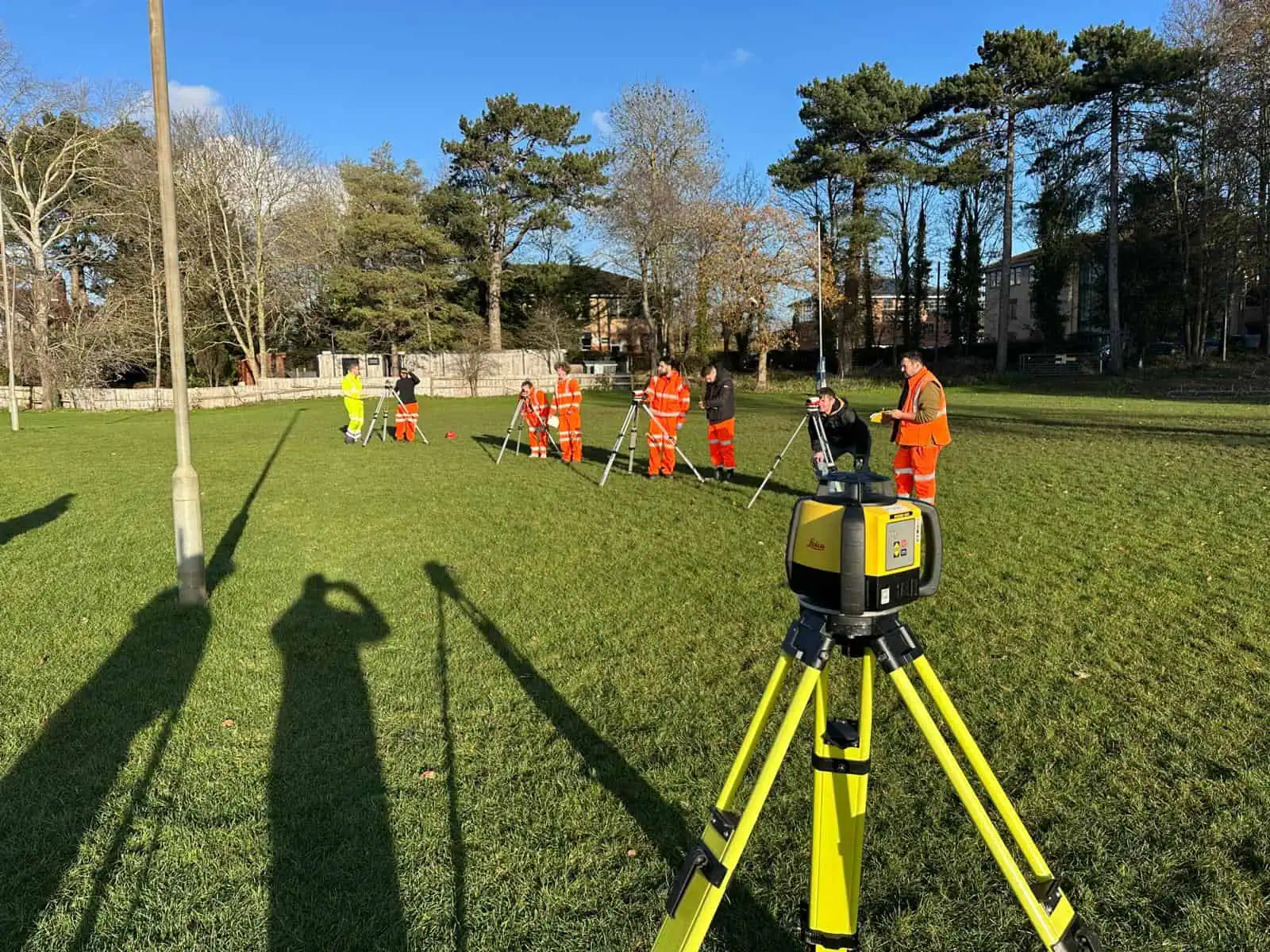
What levelling and tape measurement means on site
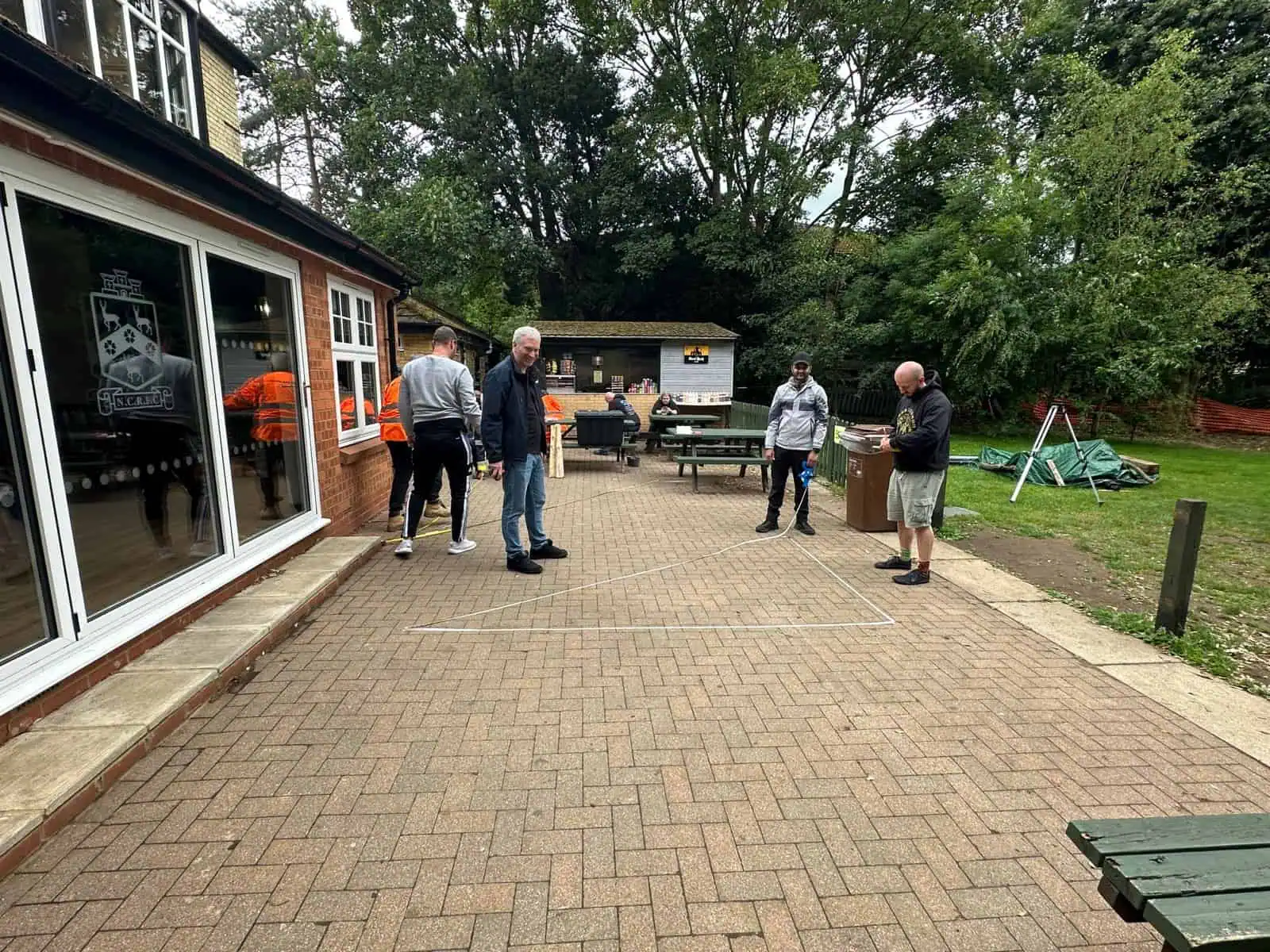
Levelling is the process of transferring and checking height information across a site. Tape measurement covers practical distance checks, offsets, diagonals, setting out from gridlines and confirming that points are in the expected position. Together, these skills are used when checking formation levels, drainage falls, kerb lines, slab edges, foundations, profiles and temporary control.
On real projects, engineers rarely rely on one measurement method alone. A tape check, level check or diagonal check can quickly reveal whether a total station set-up, benchmark, gridline or drawing interpretation needs attention. That is why these fundamentals remain relevant even when modern Leica or Trimble total stations are available on site.
Equipment used during practical training
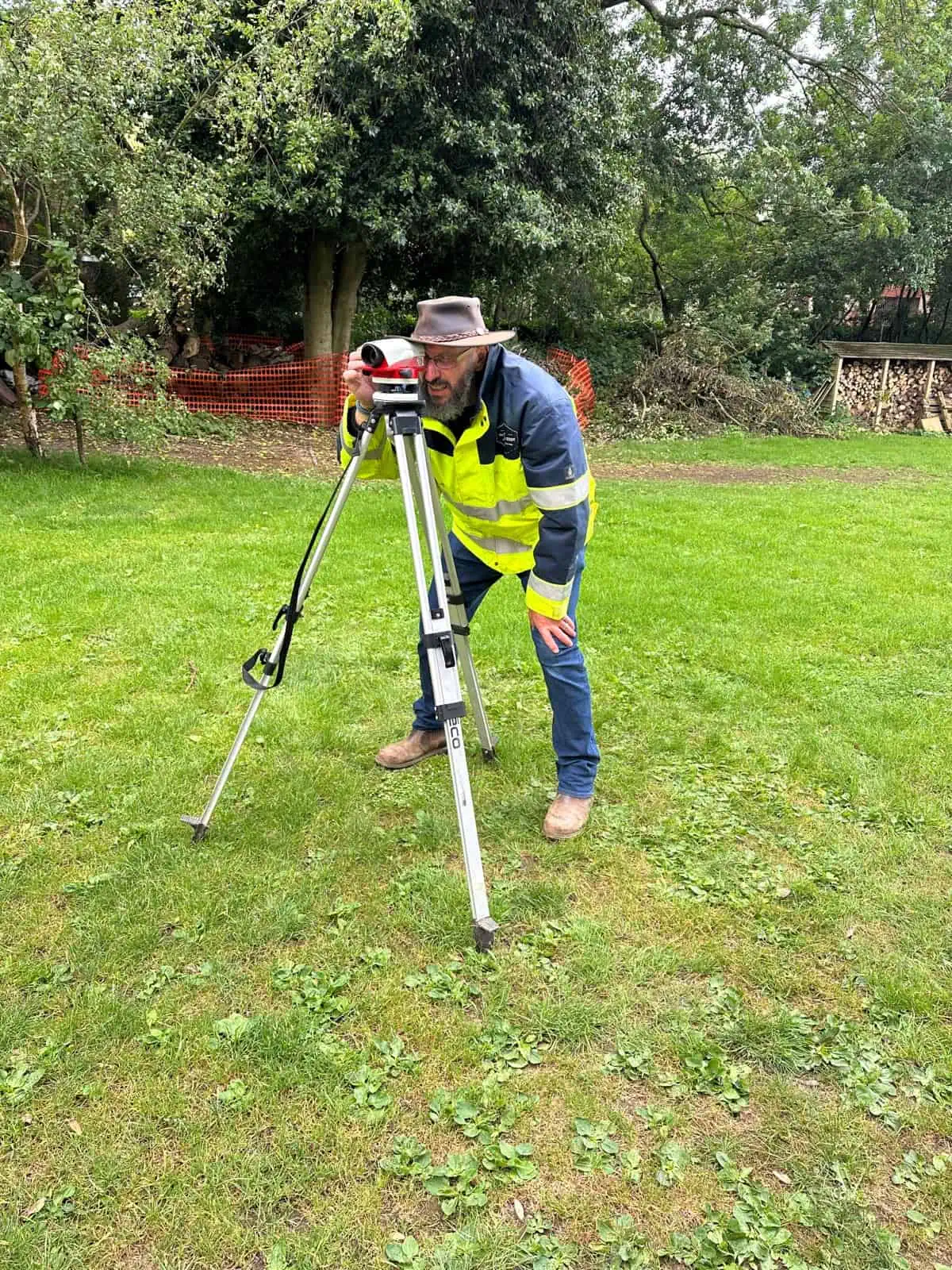
- Automatic or digital level
- Staff and staff bubble
- Steel tape or survey tape
- Tripod, pegs, pins, profiles and marking equipment
- Basic site drawings, datums and benchmark information
Why this matters for Site Engineers and setting out roles
The aim is not only to use the equipment, but to understand what good measurement practice looks like: setting up safely, reading consistently, recording clearly, checking backsights and foresights, and recognising when a measurement does not look right.
Levelling and tape measurement provide the foundation for engineering surveying. Many Site Engineer, Trainee Engineer and Assistant Engineer roles expect candidates to understand levels, chainage, offsets and basic control before moving on to more advanced total station work. These skills also support communication with supervisors, groundworkers, machine operators and senior engineers.
If your aim is to move into engineering surveying or setting out, this module links naturally with Total Station for Construction Training and Robotic Total Station Training. It also supports the broader progression described on our Surveying Jobs & Salaries UK career guide.
Progression and CSCS relevance
Practical measurement training can support learners who are building evidence and confidence for construction-related progression pathways. For formal qualifications, see our guide to ProQual Engineering Surveying Qualifications: Level 3 and Level 5. CITB funding routes may also be relevant for eligible employers.
Build reliable setting out foundations
The 5-Day Site Surveying and Setting Out course is a strong route for people who want reliable levelling, measuring and setting out skills, whether they are new to site engineering or already working on site and want to improve accuracy, method and confidence.
It also connects naturally with Total Station for Construction Training and Robotic Total Station Training, helping learners build the wider site skills needed before relying on more advanced workflows.