Robotic Total Station Training
Practical robotic total station training for site engineers, setting out engineers and construction surveying roles.
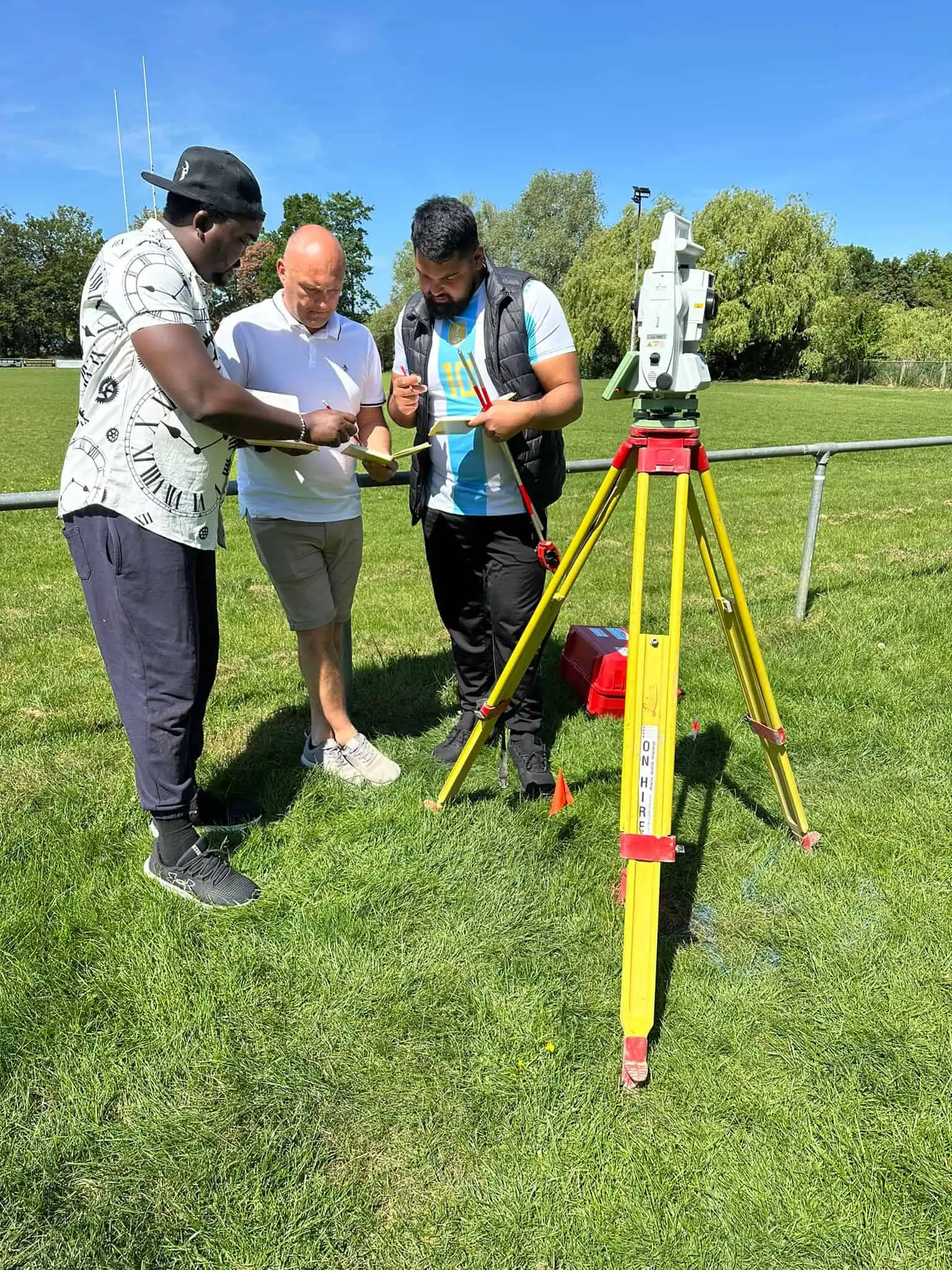
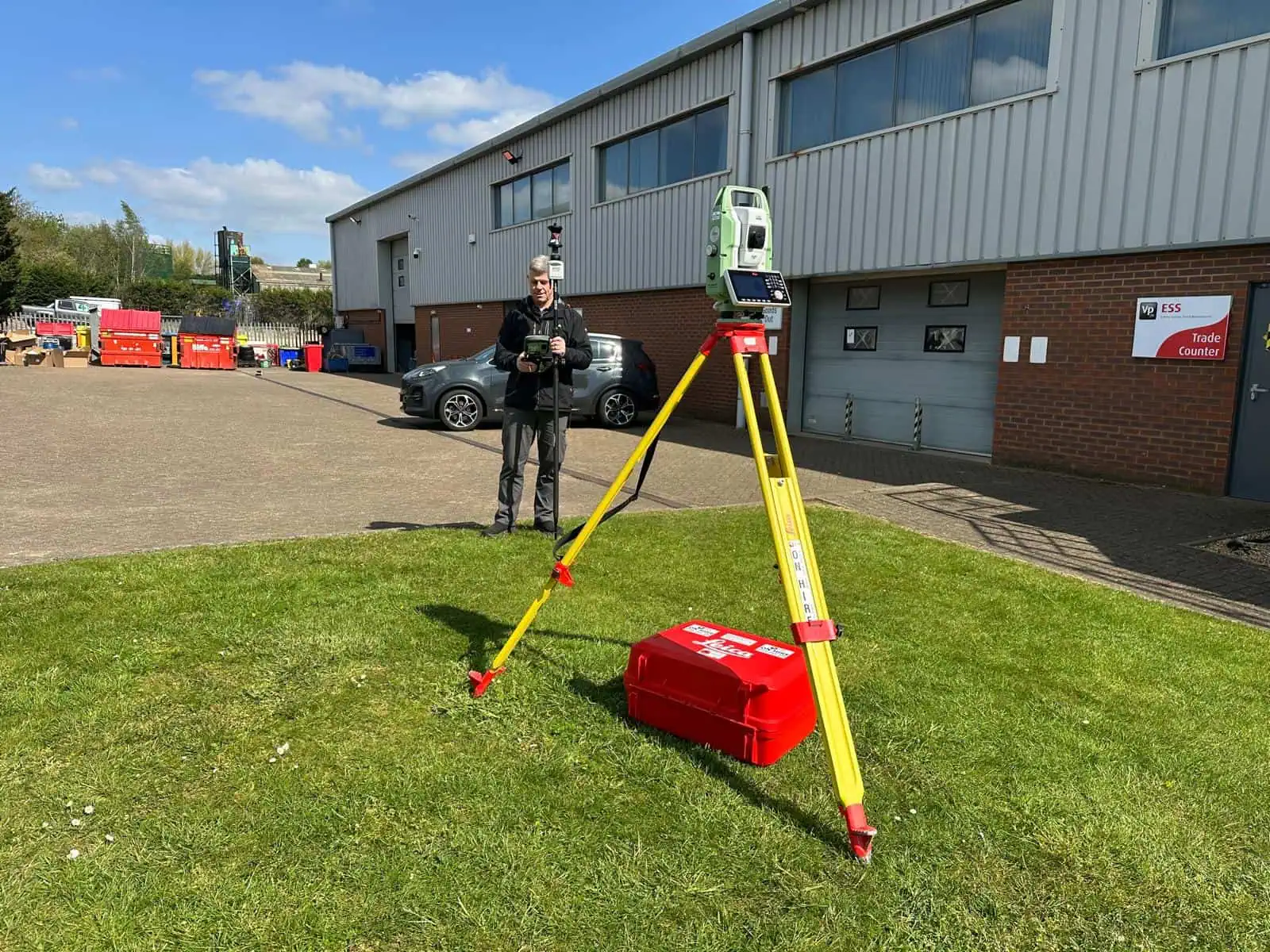
Robotic total station training focuses on using a motorised instrument and controller for practical construction setting out. It is a site skill and practical competency, not a standalone Ofqual qualification. Robotic systems allow one trained operator to control the instrument from the prism pole, making many site tasks faster and more flexible. This is especially useful when setting out points across larger areas, checking positions, working around access constraints or moving quickly between locations.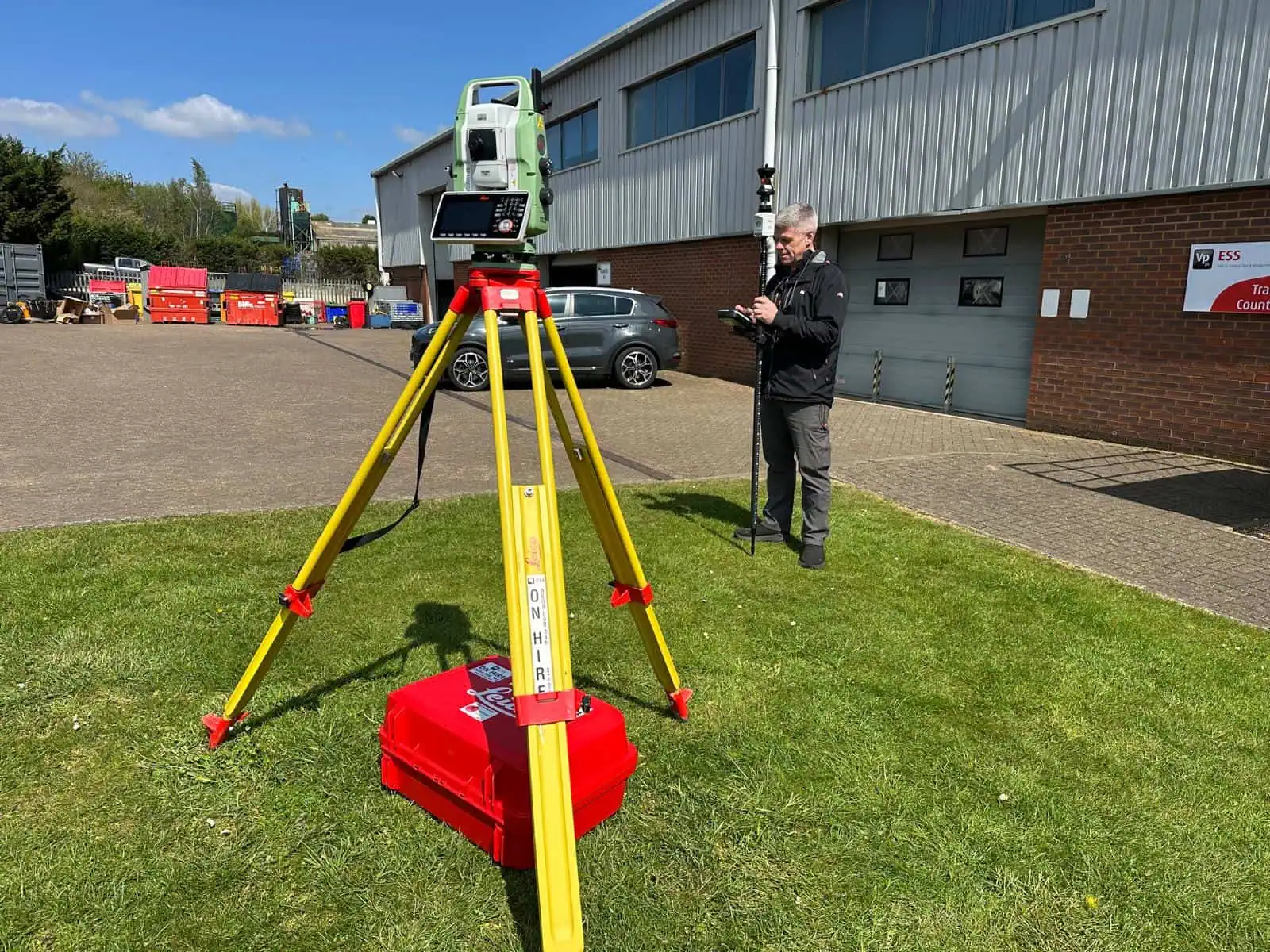
What makes a robotic total station different?
A robotic total station can automatically turn, track and measure to a prism. Systems from manufacturers such as Leica Geosystems and Trimble are commonly used in surveying and construction environments. The important point for learners is not just the equipment brand; it is learning how to use robotic workflows without losing control of accuracy checks. A robotic instrument does not remove the need for good surveying practice. It makes control, orientation, prism handling, tolerance awareness and clear recording even more important.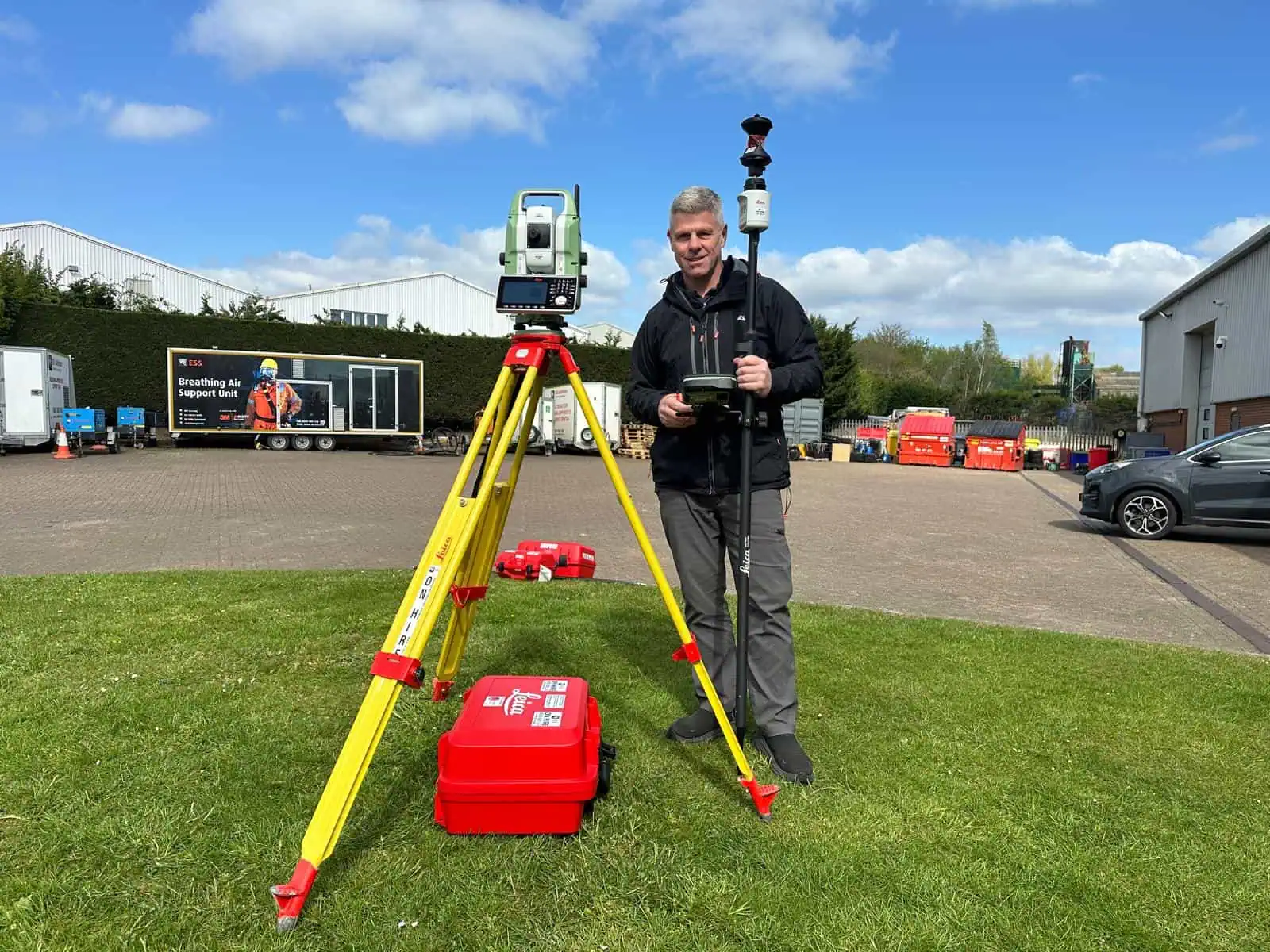
Practical skills covered
- Robotic instrument set-up and controller workflow
- Prism tracking and target lock
- Resection and orientation checks
- Setting out coordinates, offsets and design points
- Working efficiently as a one-person setting-out operator
- Recognising bad set-ups, poor control and tolerance issues
Why robotic training matters for construction careers
Robotic total station experience can make a learner more useful on modern construction sites because it reflects the way many contractors now work. Site Engineers, Engineering Surveyors and setting-out specialists are often expected to use robotic equipment confidently, communicate checks clearly and understand when a result needs to be questioned. If you are new to setting out, robotic training should sit alongside Levelling & Tape Measurement Training and Total Station for Construction Training. Together, those skills build the practical base needed for engineering surveying roles and the career routes discussed in our Surveying Jobs & Salaries UK guide.How it connects to qualifications and progression
Robotic total station training can support practical competence and workplace confidence, but formal qualification routes are separate. For learners looking at structured progression, see ProQual Engineering Surveying Qualifications: Level 3 and Level 5 Explained. Employers may also want to check current CITB funding routes directly with CITB funding.Best route for practical setting out confidence
The 5-Day Site Surveying and Setting Out course is a strong route for learners who want reliable practical setting out skills, whether they are new to site engineering or already working on site and want to tighten up their methods. It also connects naturally with Levelling & Tape Measurement Training and Total Station for Construction Training, helping learners build the wider site skills needed before relying on robotic workflows.View the 5-Day Course